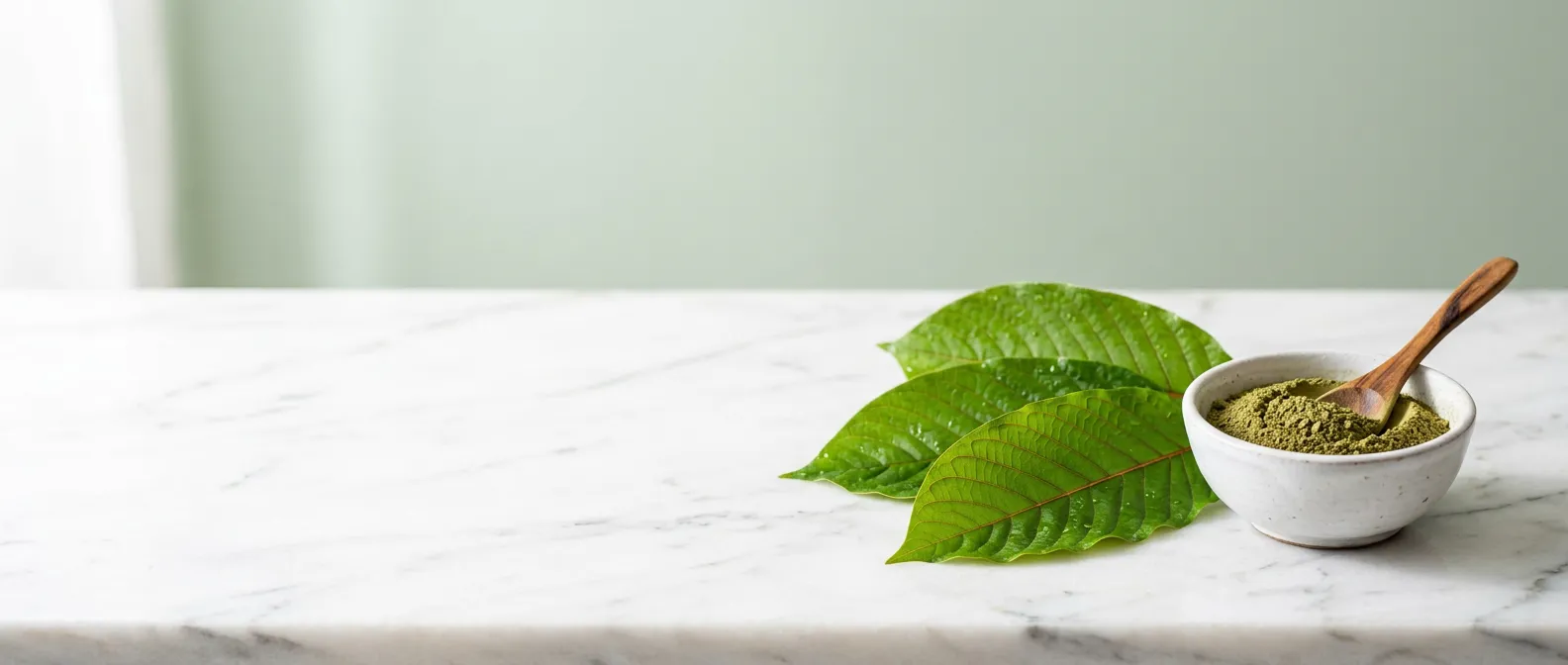
Leaf Or Concentrate
Dried Leaf Powder
Plant MaterialFor Adults 21 And Over
Know Your Kratom Leaf Before You Buy
Ten plain guides to the plant and the products. Vein colors, powder and capsules, lab testing and the 2026 federal rules.
Plain Leaf Is One Thing, Concentrates Are Another
Kratom is a tropical tree, Mitragyna speciosa, native to Southeast Asia, per the FDA kratom page. Its dried leaves are sold as powder and capsules. In the last few years shelves have filled with something else too, concentrated products built around one alkaloid called 7-OH. The FDA treats these very differently. It has moved to restrict concentrated 7-OH products and says it is not focused on natural kratom leaf, per the FDA 7-OH announcement of July 29, 2025. Knowing which one you are looking at is the first skill this site teaches.
Testing
Lead, nickel and Salmonella. What federal testing found and what to ask a seller.
See The Results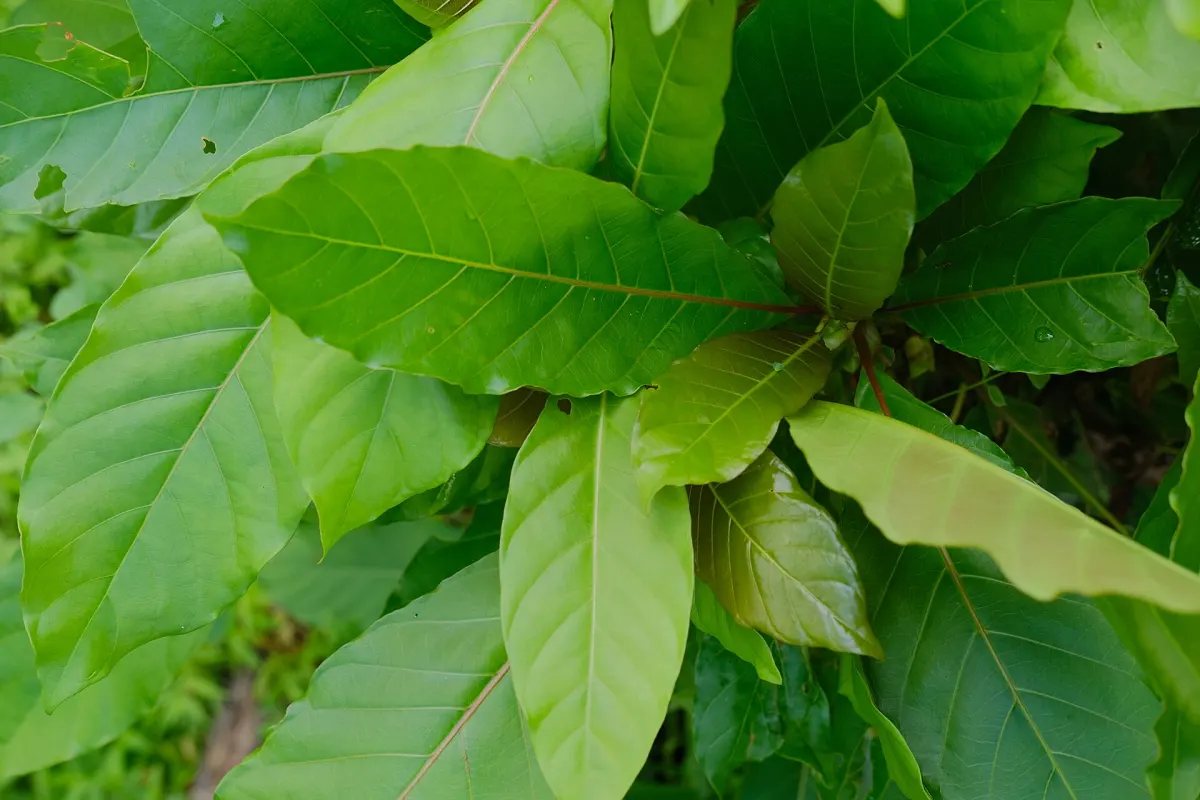
What This Site Will Not Do
This site does not tell anyone to use kratom, and it does not suggest how much to take. NIDA says much is still unknown about kratom compounds and their short and long term effects, per the National Institute on Drug Abuse kratom page. The FDA warns against using kratom as a medical treatment, per the FDA kratom page. Questions about health or other medicine belong with a doctor.
Quick Answers
What Is Kratom?
Kratom is a tropical tree, Mitragyna speciosa, native to Southeast Asia. Products made from its leaves are sold in the United States online and in stores, the FDA says.
Is Kratom Leaf The Same As 7-OH?
No. 7-OH occurs in the leaf only as a minor alkaloid. The FDA has acted against concentrated 7-OH products and says it is not focused on natural kratom leaf.
Is Kratom A Dietary Supplement?
No. The FDA says kratom is not appropriate for use as a dietary supplement, and supplements that contain it are considered adulterated.
Has Kratom Been Tested For Contaminants?
Yes. The FDA tested 30 kratom products and found significant levels of lead and nickel, and a 2018 Salmonella outbreak tied to kratom made 199 people sick in 41 states.
Shops that sell plain leaf usually split it by form. For one example, see how 7OH Resellers lists kratom leaf powder apart from its other products.