Home › Vein Colors
Red, Green And White Vein
Vein color is the most common word on a kratom bag. Here is what it describes, and what it does not.
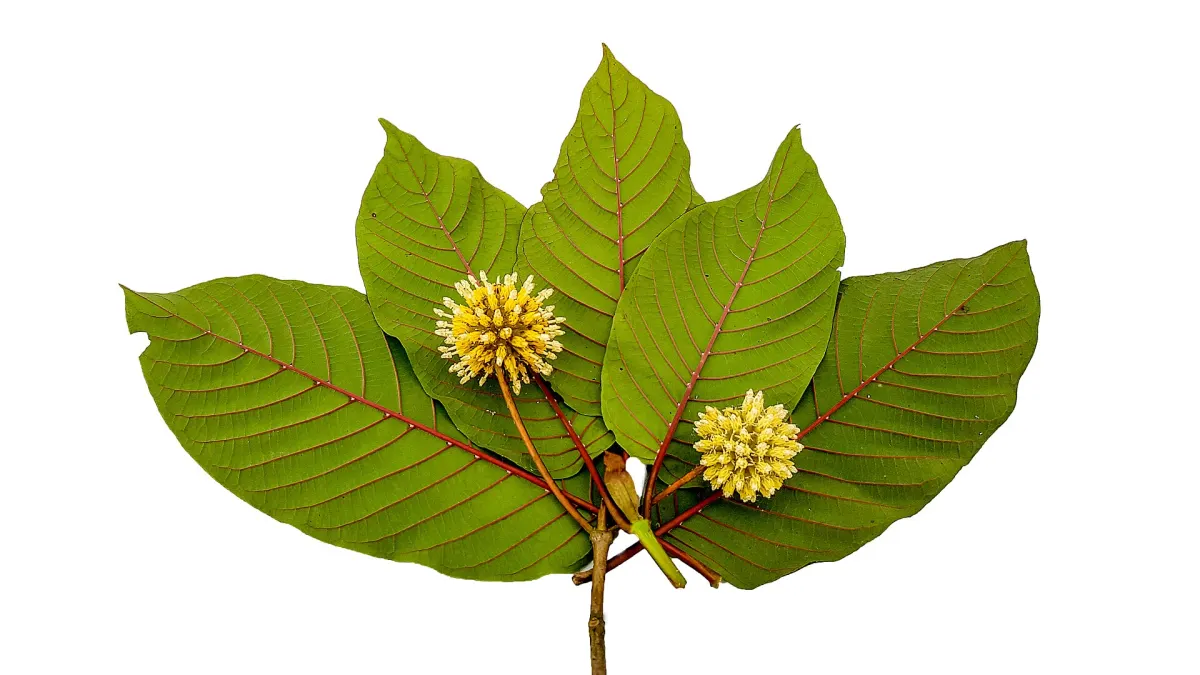
Kratom leaves have a center vein and smaller side veins. On some leaves they run red, on others green or pale. Sellers sort powder by that color and by drying method, and they sell it as red vein, green vein and white vein.
| Name On The Bag | What It Usually Describes | What To Check |
|---|---|---|
| Red Vein | Leaves with red veins, often dried longer | A batch number and a lab report |
| Green Vein | Leaves with green veins, often dried indoors | The same, plus the region name if listed |
| White Vein | Leaves with pale veins, often picked young | The same, plus a packing date |
What The Color Does Not Prove
Vein color is a trade name, not a lab result. Federal agencies have not set any standard that ties a vein color to what is in the bag. NIDA says much is still unknown about kratom compounds, per the National Institute on Drug Abuse kratom page. Treat the color as a way to tell products apart on a shelf, and treat the lab report as the way to tell what is in them.
Region Names
Names like Maeng Da, Bali, Malay and Borneo point to a place or a style, and they are used loosely. Two sellers can sell the same name from different farms. The batch number is the only thing that ties a bag to a test.
How One Shop Sorts Them
Shops that sell plain leaf group it by vein. For examples, see red vein powder, green vein powder and white vein powder at one online store. Read each listing for the batch and lab details, and skip the claims about effects.